
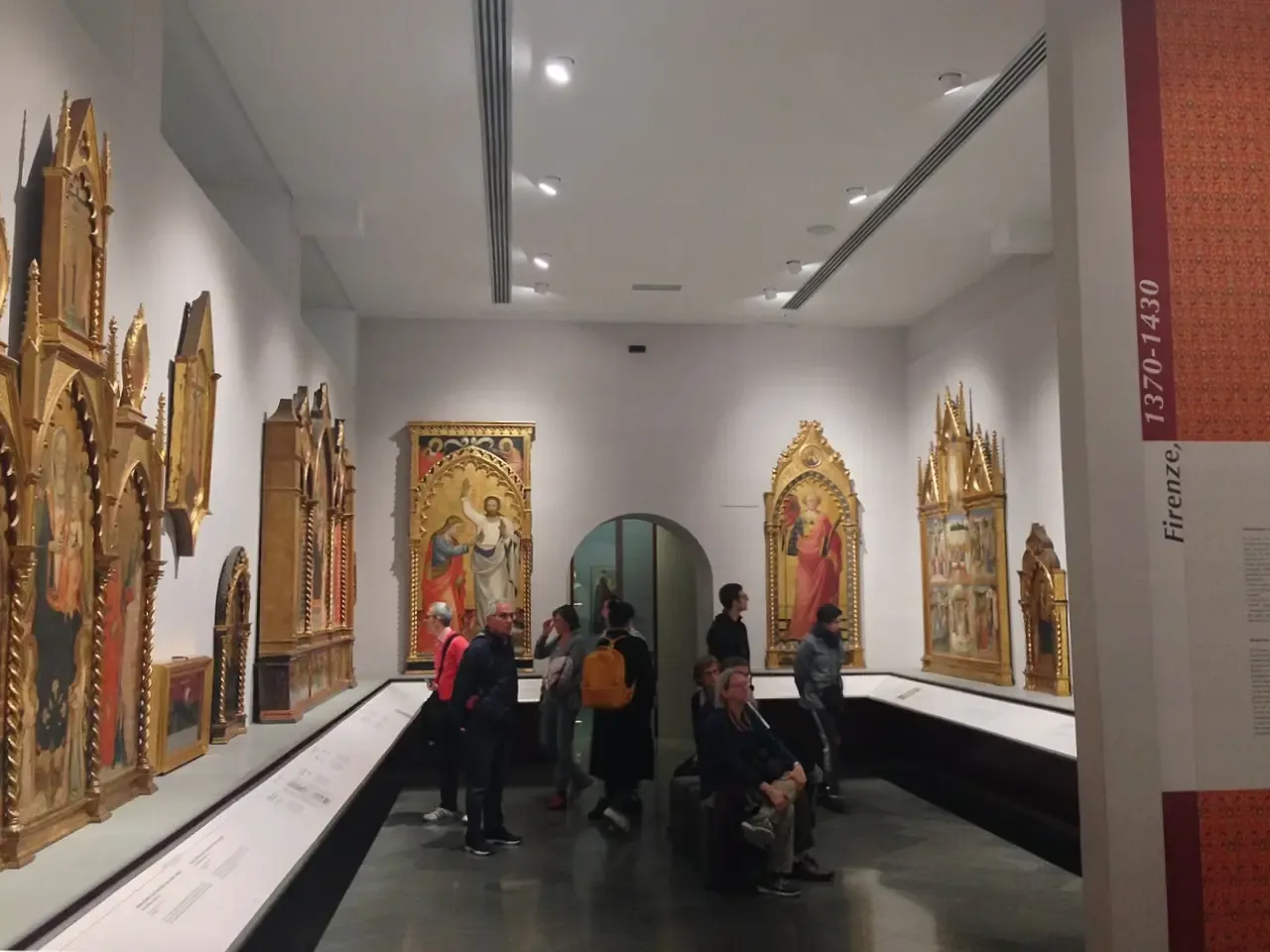
Accademia Gallery Collections
The Accademia Gallery collections feature an array of Renaissance works and historical artifacts that define Florentine heritage. This institution preserves objects, including sculptures and paintings, to educate the public on the artistic evolution of Italy.
Support when you need it
Customer support to help you with everything you need from 8:00 to 18:00.
Fast and online booking
Select your ticket for your needs and preferences and avoid the lines booking here.
Top attraction in Florence
Discover art and history at Florence's Accademia Gallery.
What to see in the Accademia Gallery
The Florence Accademia Gallery serves as a primary destination for individuals seeking to explore the evolution of Italian Renaissance artistry. The museum preserves a significant concentration of historical assets that define the cultural heritage of Italy.
Visitors often prioritize finding what to see in the Accademia Gallery to maximize their experience within this institution. The venue functions as a bridge between the medieval era and the modern age, maintaining a strictly curated environment for its permanent displays. Notable works that anchor the visitor experience include Michelangelo’s David and various pieces by Sandro Botticelli, which exemplify the technical precision and creative vigor of the Florentine movement.
Sculpture gallery
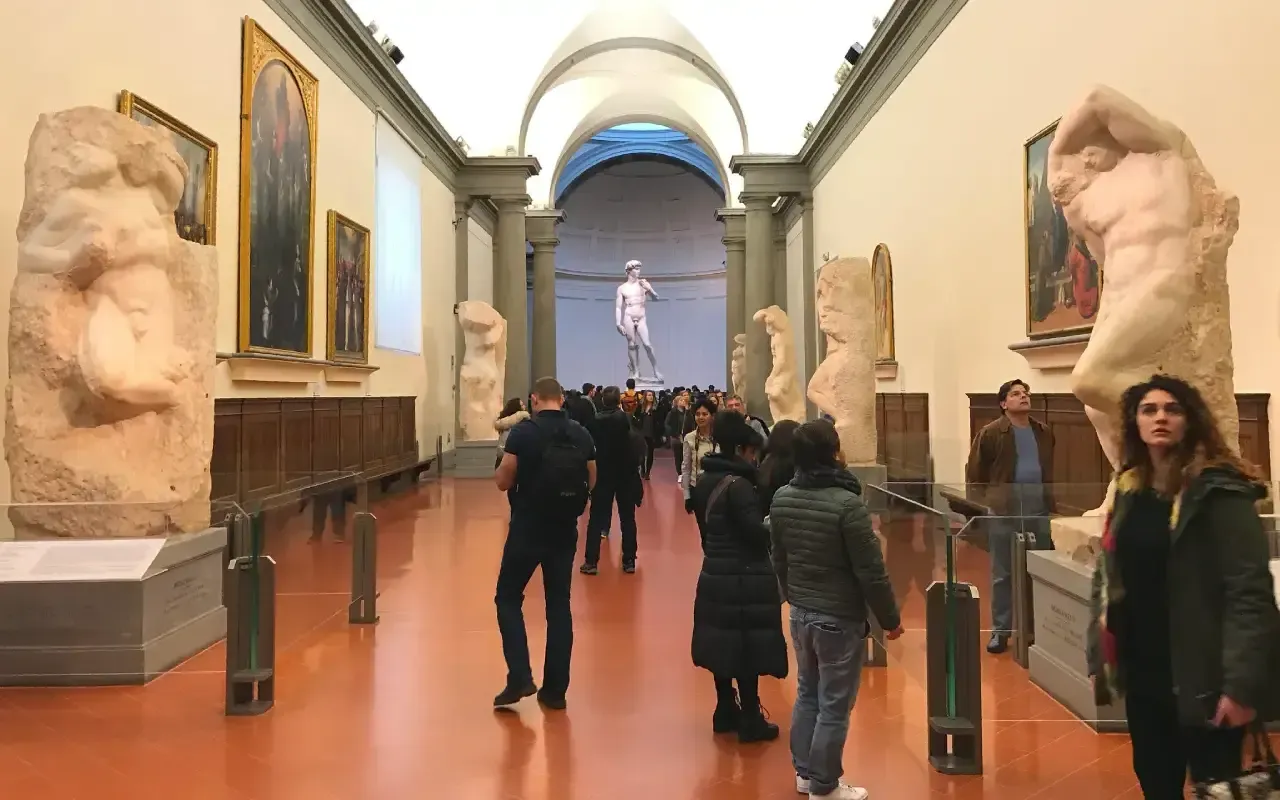
The sculpture department represents the core of the museum’s identity and contains some of the most influential stone carvings in history. When considering what to see in the Accademia Gallery, most visitors focus on the Tribune, specifically designed to house Michelangelo’s David.
However, the Accademia Gallery collections also feature the Hall of the Prisoners, which displays the unfinished Prigioni (Slaves) and the St. Matthew. These works reveal the non-finito technique of the artist, appearing to struggle out of the raw marble. Other essential things to see in the Accademia Gallery include the original plaster cast for Giambologna’s Rape of the Sabine Women, which demonstrates the complex figura serpentinata style of the Mannerist period.
Photo: “Prisoners Gallery ('Galleria dei Prigioni') by Michelangelo's Sculptures, Galleria dell'Accademia, Firenze, Italia.” by Elias Rovielo.
Painting collections
The Accademia Gallery collections feature an extensive array of paintings that illustrate the transition from Gothic styles to the High Renaissance. This museum showcases the development of perspective and color theory through various centuries.
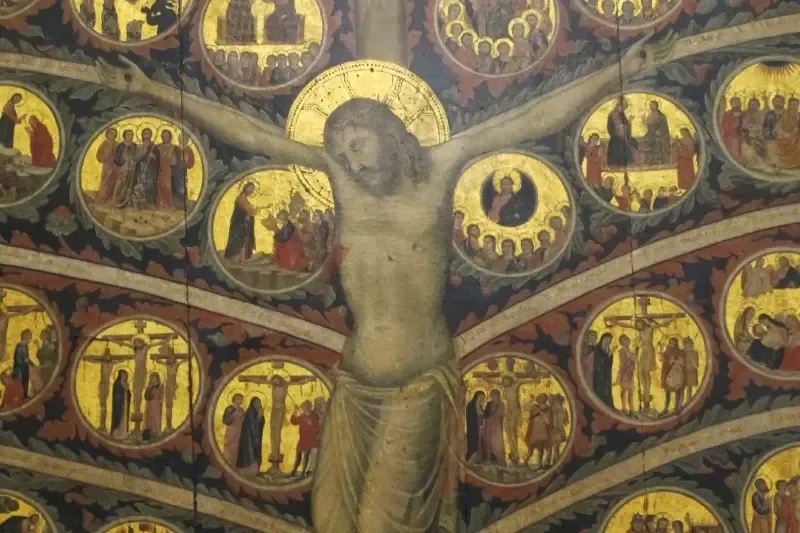
Scholars and tourists alike find significant things to see in the Accademia Gallery within the Halls of the Florentine Trecento, which house gold-ground altarpieces. Specific highlights include the Coronation of the Virgin by Jacopo di Cione and the Tree of Life by Pacino di Bonaguida. These works provide a visual record of religious devotion and the sophisticated workshop traditions that dominated the local art scene during the fourteenth and fifteenth centuries.
Photo: “Pacino di Bonaguida, Albero della Vita” by Sailko.
Historical archives and instruments
Beyond traditional visual arts, the Accademia Gallery collections incorporate specialized departments for history and music. The Museum of Musical Instruments displays approximately fifty items from the private collections of the Medici and Lorraine families.
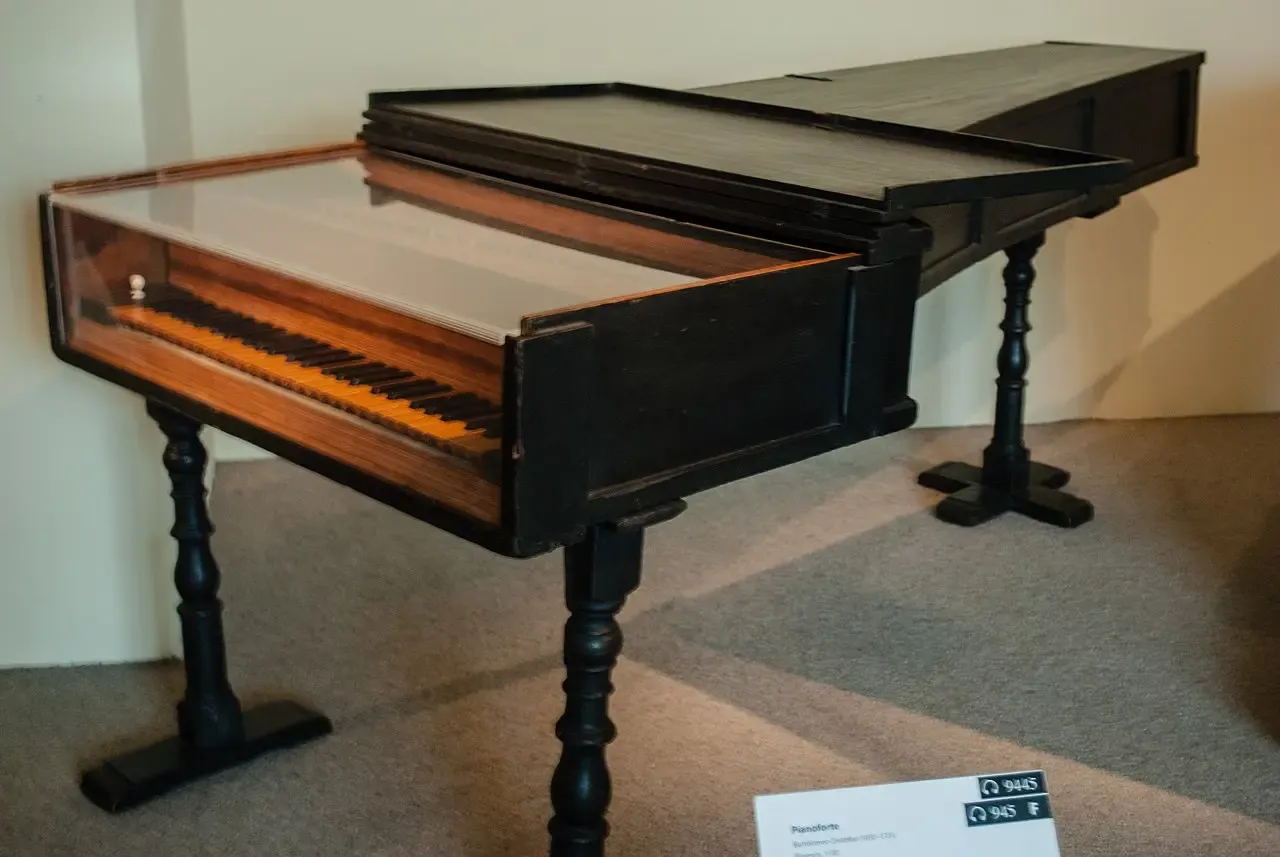
Notable things to see in the Accademia Gallery music wing include a 1690 tenor viola by Antonio Stradivari, a cherry wood harpsichord, and the fortepiano by Bartolomeo Cristofori. Simultaneously, the historical archives preserve manuscripts and documents that detail the administrative life of the Florentine Academy. These records provide context for the artworks, offering a view of the environment that fostered cultural production.
Photo: “Pianoforte Cristofori 1720” by Bryan.
Temporary exhibitions
The Accademia Gallery maintains a dynamic schedule by hosting temporary exhibitions that complement its permanent holdings. These rotations introduce modern scholarship and contemporary dialogues into the traditional space.
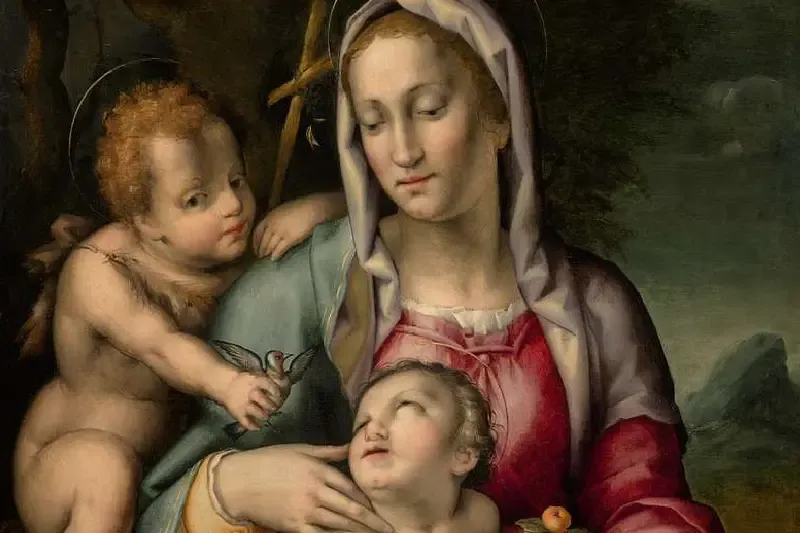
A exhibition from a few years ago presented the first monographic show dedicated to the Mannerist painter Pier Francesco Foschi. This showcase highlighted significant pieces, such as the Madonna and Child with the Young St. John the Baptist and various artworks gathered from international institutions.
These specialized events foster a academic understanding of the diverse Florentine artistic landscape. Such initiatives invite visitors to explore less-known masters who shaped the city's cultural history alongside more famous figures.